Published on in 💬 Micro
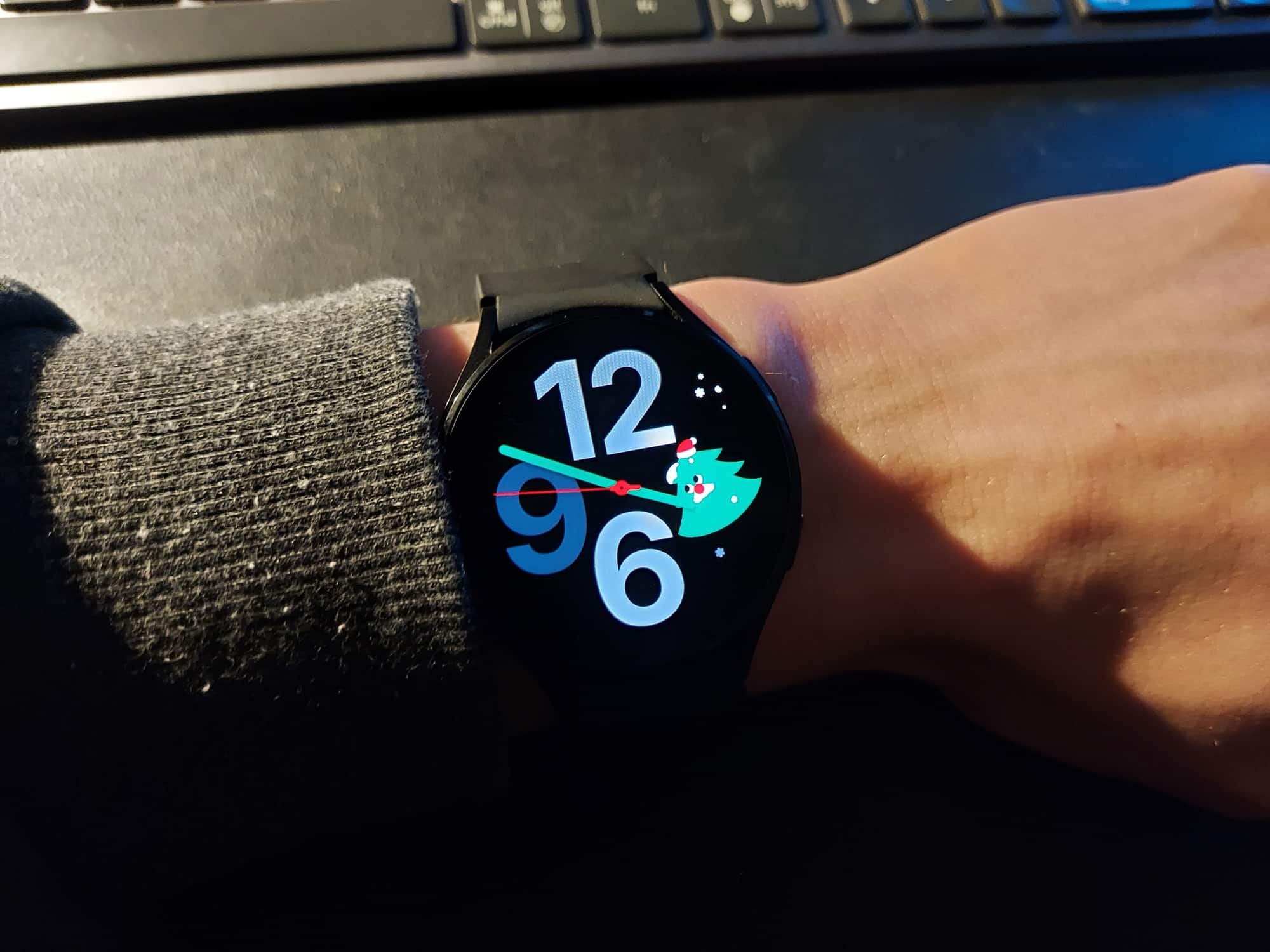
Christmas is near and now my watch shows that! 🎄
🖼️ View

Tech, life and everything else
This section is for short notes, thoughts or IndieWeb interactions.
Christmas is near and now my watch shows that! 🎄
🖼️ View
Maybe I should write down my political views and thoughts in extra posts on my German blog in the future, instead of putting them in the monthly review and then translating them as well. English readers probably won’t get much out of it… Sorry! ✌️
First experience with my new unlimited mobile phone contract while traveling: The phone hotspot works much better than the ICE (German high speed train) WiFi usually does. At most, there are small interruptions in tunnels, but otherwise surfing, writing e-mails, and listening to music work perfectly. Even remote programming works. It was worth it…
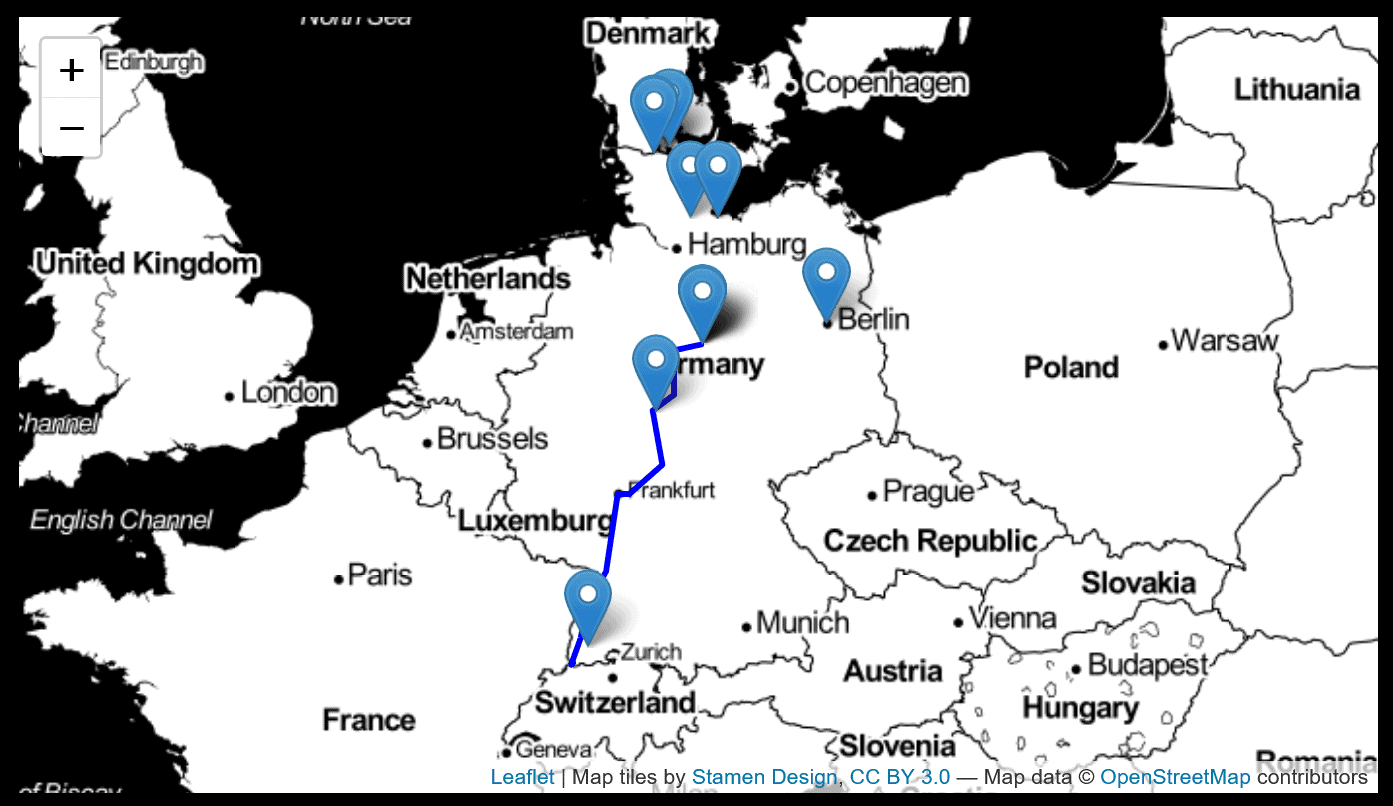
Today GoBlog got the option to configure your own map tile server. So not only standard OpenStreetMap is possible, but also Stamen Toner for example. Fits much better to my blog aesthetics, right? (See the map page.)
🖼️ View
Mark emails me all the time with bugs he found in GoBlog (some that I would never have found myself) and features he would like to see (e.g. better display of Brid.gy webmentions). I take it as motivation and try to improve GoBlog in a way that it is useful for others as well. And I think there is a good progress.
But what will be the real challenge is to translate the answers and tips from our email conversation into documentation!
A few days ago I changed my home network so that the FRITZ!Box now directly establishes a DSL connection and I can use IPv6 again. Too bad that I only now noticed that this has led to the fact that it used the DNSv6 server of the ISP. Now I adjusted everything so that AdGuard Home is also used for DNSv6. Less advertising and tracking again…
The Brave browser now reveals its true face and becomes a web3 browser with integrated crypto wallet. More bullshit is really not possible…
My neighbors always seem to be playing Forza Horizon 5 in the evenings the last few days, loud engine noises from the apartment below. 😂
I missed the exact day, but now it’s been over a year since I switched to my completely custom blogging system. And still I am very happy with it! It has all the features I need, and if I have a new idea, I can usually implement it quickly right away.
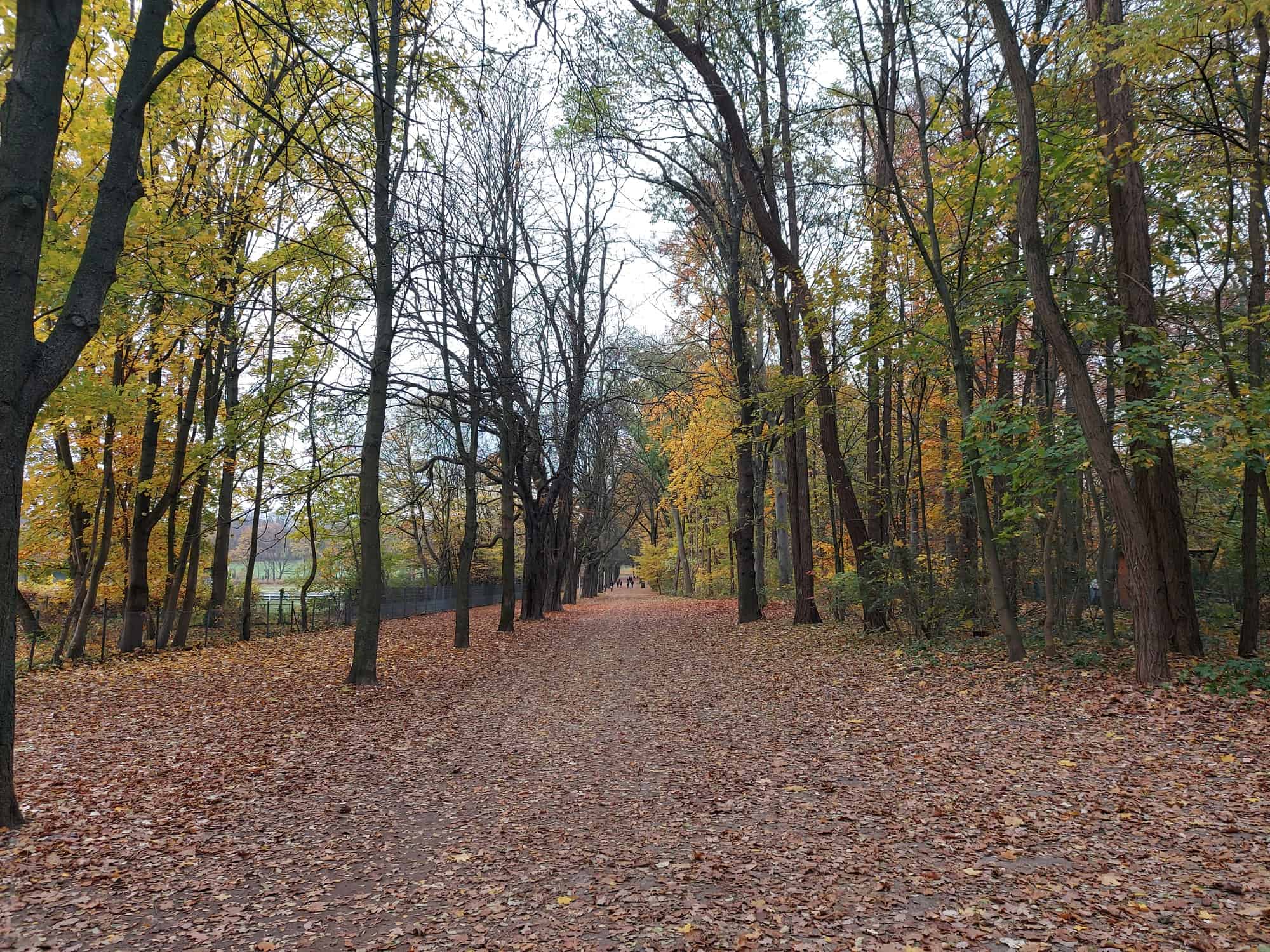
Nobody can deny that the year will soon be over…
🖼️ View